
Quiz / session

Animal myths: true or false? 20 questions, answers

Can hummingbirds fly backward? Do dogs see the world in black and white? This animal true or false quiz brings together 20 statements: stubborn myths, amazing abilities and surprises from nature, from insects to big mammals. Every answer comes with a short explanation and a source. Show it on a screen: everyone votes on their phone and the score updates live.

Time including discussion:
15–20 min
For:
Families, teachers, activity leaders, teams and animal lovers

English template · 20 questions · Updated on

Use this template

Make your own copy and edit it. Sign in or create an account to open it in the editor.

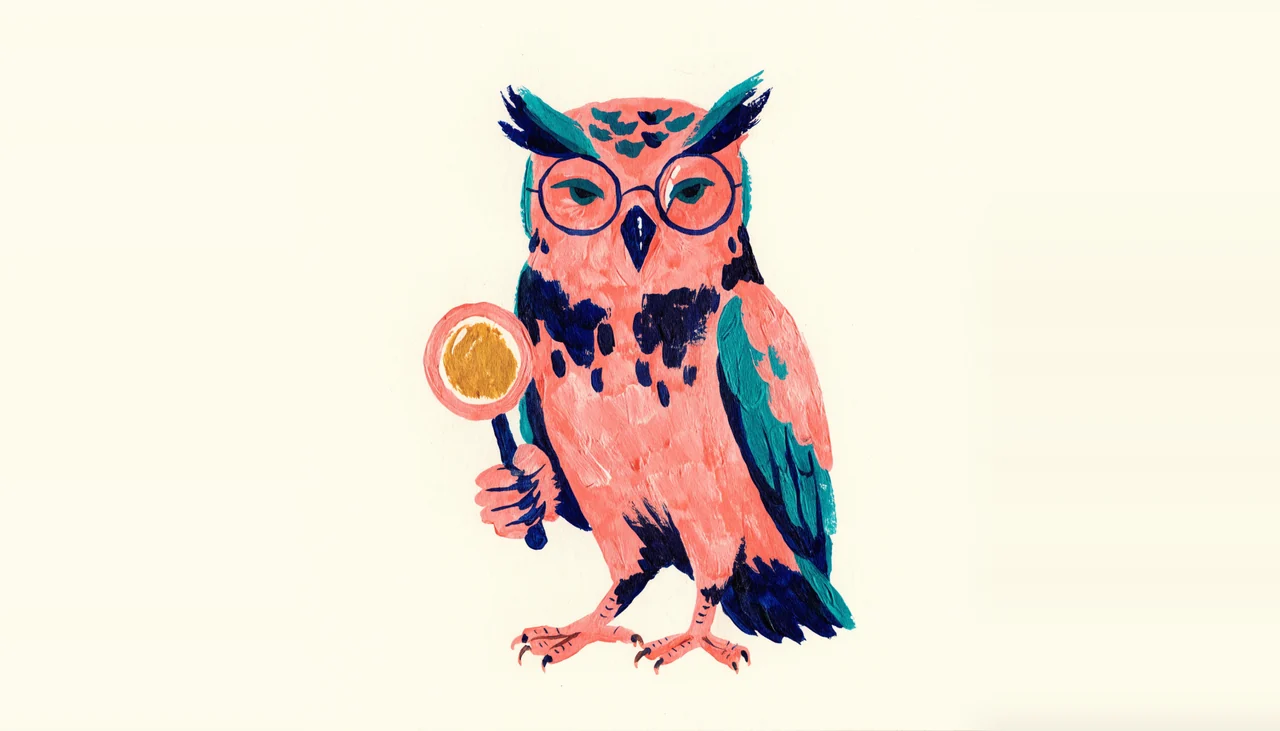
Cover illustration of the template “True or false: animals”
Question 1 of 20

Dogs see the world in black and white.

What you can leave with

A ready-to-run quiz to separate fact from myth about animals, with sourced answers.

All questions in this template

Open a question to see its answer, explanation and source. You can adapt the wording and order in the editor.

  1. 1. Dogs see the world in black and white.

    Answer: False

    Dogs have two types of color-sensing cones; we have three. Red looks brownish gray to them, much as it does to people with red-green color blindness.

    Source: American Kennel Club

  2. 2. Hummingbirds can fly backward.

    Answer: True

    They back out of flowers this way. A study found that flying backward costs them no more energy than flying forward.

    Source: Journal of Experimental Biology (Sapir & Dudley, 2012), résumé ScienceDaily

  3. 3. Touching a toad gives you warts.

    Answer: False

    A toad’s bumps are poison glands, not warts. Still, wash your hands afterward: the toxin can irritate your skin.

    Source: Burke Museum (University of Washington)

  4. 4. You can tell a ladybug’s age by counting its spots.

    Answer: False

    Spot count mostly depends on the species: the seven-spot ladybug has seven. Some species have no spots at all.

    Source: UK Ladybird Survey (UK Centre for Ecology & Hydrology)

  5. 5. No two zebras have exactly the same stripes.

    Answer: True

    Each of the three zebra species has its own stripe style, but every animal’s pattern is unique. It may help herd mates recognize each other.

    Source: San Diego Zoo Wildlife Alliance

  6. 6. A turtle can crawl out of its shell.

    Answer: False

    It is made of broadened, flattened ribs fused to the backbone. Unlike a hermit crab, a turtle can never move out.

    Source: National Geographic

  7. 7. Butterflies taste with their feet.

    Answer: True

    A female drums on a leaf to taste its juices, checking that the plant will suit her caterpillars before laying eggs there.

    Source: Carleton University, Department of Biology

  8. 8. If you touch a baby bird, its parents will abandon it.

    Answer: False

    Most birds have a limited sense of smell, and parents are very attached to their brood. Still, it’s best not to disturb a nest.

    Source: Scientific American

  9. 9. Under its fur, a polar bear has black skin.

    Answer: True

    Cubs are born with pink skin that turns black at around 3 to 4 months. Their hollow, unpigmented hairs only look white to us.

    Source: Polar Bears International

  10. 10. A porcupine can shoot its quills at an enemy.

    Answer: False

    Quills are modified hairs that come loose on contact. The North American porcupine carries more than 30,000 of them.

    Source: San Diego Zoo Wildlife Alliance

  11. 11. Birds are descended from dinosaurs.

    Answer: True

    They come from theropods, the group that includes T. rex. Scientists even call birds the only living dinosaurs.

    Source: Natural History Museum, Londres

  12. 12. An elephant sucks water up its trunk into its mouth, like a straw.

    Answer: False

    It sucks water partway up its trunk, then pours it into its mouth. An elephant drinks 75 to 190 liters (20 to 50 gallons) a day.

    Source: San Diego Zoo Wildlife Alliance

  13. 13. Jellyfish have no brain.

    Answer: True

    A nerve net lets them sense light and smells. They have no heart either, and they are about 95% water.

    Source: NOAA Ocean Service

  14. 14. Pigs sweat a lot.

    Answer: False

    Pigs have few sweat glands, so they cool off by wallowing in water or mud. The phrase “sweat like a pig” is misleading.

    Source: Rutgers Cooperative Extension, 4-H Animal Science

  15. 15. Crows can recognize an individual human face.

    Answer: True

    Masked researchers caught some in Seattle. Nearly seven years later, crows still scolded that mask, even birds hatched afterward.

    Source: National Wildlife Federation

  16. 16. The narwhal’s long spiral spike is a tooth.

    Answer: True

    It’s called a tusk: an upper-left tooth that, in most males, grows out of the mouth in a spiral, up to about 3 meters (nearly 10 feet).

    Source: NOAA Fisheries

  17. 17. To swallow big prey, a snake dislocates its jaw.

    Answer: False

    The two halves of its lower jaw are joined by a stretchy ligament, so they spread wide apart without dislocating anything.

    Source: Natural History Museum, Londres

  18. 18. Lemmings throw themselves off cliffs in large numbers.

    Answer: False

    A 1958 nature film staged that plunge. In reality, when food runs short, lemmings disperse, and some drown while swimming across water.

    Source: Alaska Department of Fish and Game

  19. 19. A rhino’s horn is made of the same material as our fingernails.

    Answer: True

    It is keratin all the way through, with no bony core, unlike the horns of cows or goats.

    Source: PBS Nature

  20. 20. Koalas have fingerprints very similar to ours.

    Answer: True

    Their loops and whorls are hard to tell from ours even under a microscope, yet the trait evolved separately in koalas.

    Source: PBS NOVA

10 more statements about animals

Read them aloud to keep the game going, or add them to the template. The answer follows each statement.

Mammals

  • In lion prides, males do most of the hunting. — False: lionesses do most of the hunting, often as a team.
  • Lions live in the jungle. — False: they prefer savanna, grassland and open woodland.
  • An elephant’s trunk contains bones. — False: no bone or cartilage, just thousands of muscle bundles.
  • Baby porcupines are born with soft quills. — True: they harden within a few days.

Birds and dinosaurs

  • In hummingbirds, the female raises the young on her own. — True: the male plays no part.
  • Feeding hummingbirds in the fall stops them from migrating. — False: they leave anyway.
  • Archaeopteryx, an extinct feathered animal, had teeth. — True: it lived about 150 million years ago.

Water and ice

  • The wood frog can spend the winter frozen, with its heart stopped. — True: it comes back to life when it thaws in spring.
  • In some zoos, a polar bear’s fur can turn green. — True: algae grow inside its hollow hairs.
  • A beaver’s front teeth are orange. — True: their enamel contains iron.

How to run this activity

  1. 1

    Pick your format

    Play live: show the statements on a screen while everyone votes on their phone and Pomlet keeps score. In class, the Self-paced mode lets everyone play in their own time, with no timer.

  2. 2

    Start the session

    Open the template, adjust the timer if needed, then share the PIN or QR code. Players join from their browser, with no app to install.

  3. 3

    Vote, then explain

    After each vote, the explanation appears. Ask someone where they first heard the myth before you reveal the answer.

  4. 4

    Finish on the podium

    Reveal the podium, then take a show of hands for the most surprising animal. Add your own statements for a rematch.

Make this activity yours

Keep what fits, rewrite what does not and set the pace for your group.

Use this template

Templates are included in the free plan. Participation limits depend on your plan. See plans.